What is Cholesterol?
Last updated: 25 June 2026
Reviewed by: Elfcare quality team
Cholesterol is often misunderstood. It is not inherently harmful, but a fundamental building block that every cell in the body depends on. S-Cholesterol measures the total amount circulating in your blood. The number on its own is a starting point rather than a verdict. What matters is the breakdown of what type of cholesterol is driving it, which is why this marker is always read alongside LDL, HDL, and triglycerides.
The role of cholesterol in the body
Cholesterol serves three main functions. It gives cell membranes their structural integrity and flexibility. It is the raw material the body uses to produce steroid hormones including cortisol, estrogen, and testosterone as well as vitamin D. And it is converted by the liver into bile acids, which are essential for digesting fats. The body produces most of its own cholesterol regardless of dietary intake, which is why the liver is the primary lever for managing total levels. We monitor total cholesterol levels to ensure your body has enough of this raw material without reaching levels that could lead to accumulation in your arteries.
Why test total cholesterol?
Total cholesterol is most useful as a first screen. It tells you whether your overall lipid levels are within a range that supports healthy cell function and hormone production without placing unnecessary pressure on your vascular system.
You should be extra attentive to this marker if you:
Are starting a new dietary regimen (like Keto or Mediterranean) and want a baseline.
Have a family history of high cholesterol or heart-related challenges.
Are over the age of 35 and want to monitor your long-term cardiovascular trends.
Want to ensure your body has the necessary building blocks for optimal hormone health.
High cholesterol: what does it mean?
A high result, known as hypercholesterolemia, means there is a large total volume of cholesterol in your bloodstream.
Elevated levels may indicate:
Dietary influence: A diet high in saturated fats is the primary driver of elevated cholesterol production in the liver. Dietary cholesterol (found in eggs and shellfish) has a much smaller effect than once thought, as most people's bodies self-regulate its absorption effectively.
Metabolic shifts: Factors such as weight gain, low thyroid function (hypothyroidism), or high stress can cause total cholesterol to rise.
Genetic factors: Some people have a naturally higher baseline for cholesterol production due to their DNA, and diet alone may not bring levels into range.
Healthy high HDL: In some cases, total cholesterol is high simply because you have a very high level of (HDL) cholesterol, which is generally protective. However, an extremely high HDL is still worth looking into.
Low cholesterol: what does it mean?
A low total cholesterol result means there is a lower concentration of these fats in your blood. While often seen as a positive for heart health, extremely low levels are worth investigating.
Common reasons for low levels include:
Effective lifestyle habits: A combination of a fiber-rich diet, regular exercise, and healthy genetics.
Liver stress: Since the liver is the primary factory for cholesterol, very low levels can sometimes indicate that the liver is under significant strain.
Malabsorption or malnutrition: If the body isn't getting enough nutrients or cannot absorb fats properly, cholesterol levels may drop.
Overactive thyroid: Hyperthyroidism increases the number of LDL receptors in the liver, which speeds up the clearance of cholesterol from the blood and can push total levels below the normal range.
Practical steps for cholesterol balance
The most effective changes for total cholesterol target both production and clearance.
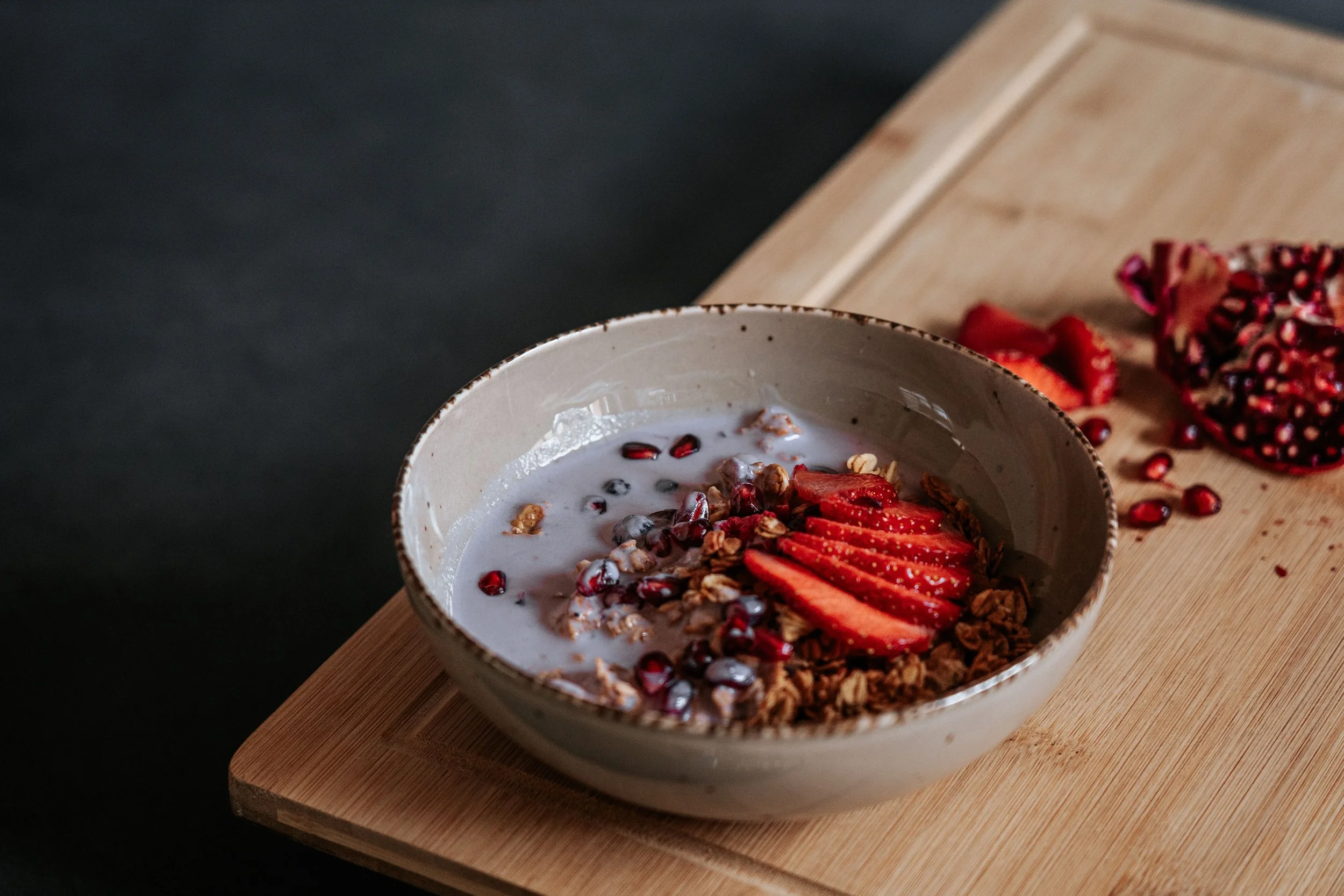
Focus on soluble fiber: Oats, beans, and berries contain fibre that binds to bile acids in the gut, prompting the liver to draw more cholesterol from the blood to produce new ones.
Proritize healthy fats: Monounsaturated fats from olive oil and avocados support a healthy lipid balance and help shift the composition of cholesterol in a favorable direction.
Support liver health: The liver produces most of the body's cholesterol. Reducing alcohol and refined sugars lowers the metabolic burden on the organ and helps keep production stable.
Stay active: Regular aerobic exercise helps your body process and transport cholesterol more efficiently. Consistency matters more than intensity.
Disclaimer: These results should always be discussed with a healthcare professional. This guide is for informational purposes and is not medical advice.
Testing with Elfcare
S-Cholesterol is included in Elfcare’s blood test package and in our full body health check. We analyze total cholesterol alongside S-LDL, S-HDL, and S-Triglycerides because the breakdown tells you far more than the total number alone. A high result driven by HDL looks very different from the same number driven by LDL.
Understanding your total cholesterol is a key step in proactive health. Elfcare’s tests provide the data you need to act before imbalances affect your daily life.
Summary
S-Cholesterol is the total measure of all cholesterol particles in your blood.
It is essential for building cells and producing hormones like testosterone and estrogen.
High levels are often a signal to refine your diet, while very low levels may suggest nutritional or liver-related gaps.
Mastering your cholesterol data allows you to balance your body’s need for structural building blocks with the necessity of long-term cardiovascular safety.
Last updated: 25 June 2026
Reviewed by: Elfcare quality team