What is S-LDL cholesterol?
Last updated: 24 June 2026
Reviewed by: Elfcare quality team
Cholesterol is essential. The body uses it to build cell membranes, produce hormones, and repair tissue. But it can't travel through the bloodstream on its own. S-LDL (Low-Density Lipoprotein) is the particle that carries cholesterol from the liver to the cells that need it. LDL is the most important value to monitor for the prevention of arterial plaque.
The role of LDL in the body
LDL transports cholesterol from the liver to tissues throughout the body. In the right amounts it's necessary. Problems arise when levels are too high or when LDL particles become oxidised. At that point they begin to deposit cholesterol into artery walls rather than delivering it to cells. Over time that buildup narrows the vessels and reduces blood flow, which is why LDL sometimes is referred to as the “bad cholesterol”.
Why test LDL?
LDL is worth testing because it moves silently. There are no symptoms of high LDL. Arteries can narrow significantly before anything feels wrong. Testing gives you a number to act on before the process advances. It's also one of the more responsive markers meaning that dietary changes, exercise, and medication all produce measurable shifts. Knowing your LDL levels allows you to calculate your personal risk and adjust your lifestyle or medication to keep your arteries smooth and flexible, significantly reducing the risk of heart attack or stroke.
You should be extra attentive to this marker if you:
Have a family history of early heart disease or high cholesterol.
Are managing other metabolic factors like high blood pressure or diabetes.
Want to evaluate the impact of your current dietary patterns on your vascular health.
Are focused on longevity and want to keep your "biological age" of the arteries low.
High LDL: what does it mean?
A high result means more LDL is circulating than the body can efficiently clear. The excess increases the likelihood of arterial deposits over time.
Elevated levels may indicate:
Dietary patterns: A high intake of saturated fats (found in fatty meats and full-fat dairy) can signal the liver to produce more LDL.
Metabolic sluggishness: Being overweight or inactive can slow down the body's ability to clear LDL from the bloodstream.
Genetic predisposition: Some people are born with fewer or less active LDL receptors on their liver cells (familial hypercholesterolemia) which makes it harder for the body to clear LDL regardless of diet or lifestyle.
Underlying conditions: Issues like an underactive thyroid (hypothyroidism) or kidney stress can cause the liver to ramp up LDL production.
Low LDL: what does it mean?
A low LDL result is generally positive for cardiovascular health. Most of the time it simply means the body is clearing cholesterol efficiently. This is helped along by genetics, a fibre-rich diet, regular exercise, or lipid-lowering medication.
Very low levels are rarely a concern on their own. The exception is when LDL is unexpectedly low alongside other abnormal markers, which can occasionally point to an overactive thyroid or reduced liver function worth investigating separately.
Practical steps for LDL balance
You can support healthy LDL levels by focusing on the following factors. Then, results can be seen within weeks.
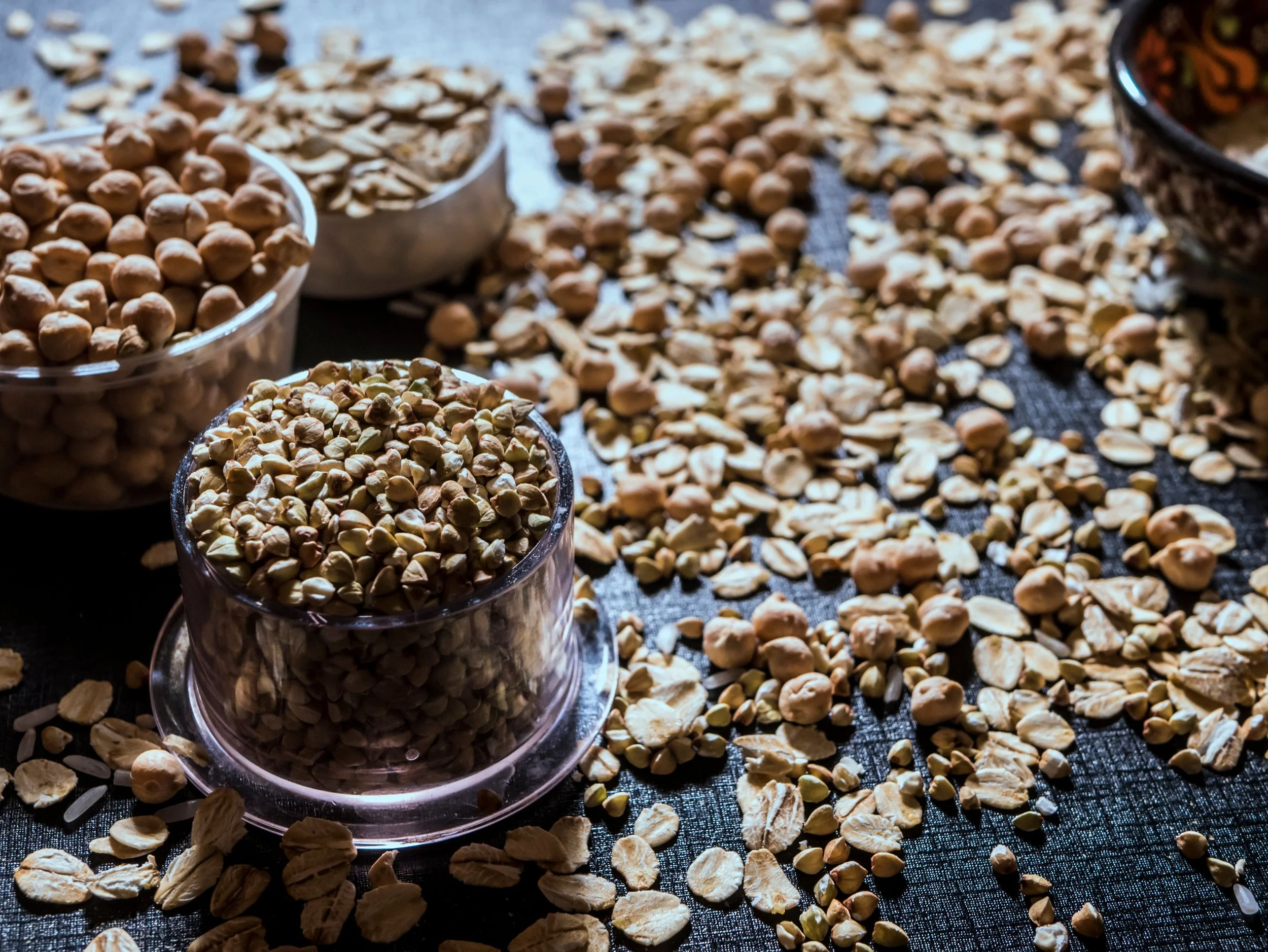
Increase soluble fiber: Foods like oats, beans, lentils, and apples contain fiber that acts like a sponge, binding cholesterol in the gut before it reaches the bloodstream. Consistent intake makes a meaningful difference over time.
Swap your fats: Replace saturated fats (butter, lard, fatty beef) with unsaturated fats (olive oil, avocados, walnuts) to help your liver pull more LDL out of circulation.
Prioritize steady cardio: Steady, moderate cardio like brisk walking, cycling or swimming is particularly effective at improving your lipid profile and supporting artery health over time. Intensity matters less than regularity. Aim for workouts in zone 2.
Disclaimer: These results should always be discussed with a healthcare professional. This guide is for informational purposes and is not medical advice.
Testing with Elfcare
S-LDL cholesterol is included in Elfcare’s blood test package and in our full body health check. We analyze it alongside S-HDL and S-Triglycerides because the full lipid picture tells you more than LDL alone. A high LDL next to a high HDL and low triglycerides looks different from the same LDL number next to low HDL and elevated triglycerides.
Understanding your LDL levels is a key step in proactive health. Elfcare’s tests provide the data you need to act before imbalances affect your daily life.
Summary
LDL is one of the more actionable markers in a cardiovascular panel. It responds to diet, exercise, and medication in ways that are measurable and relatively quick.
A high result isn't a verdict, but a prompt. Most people who address the underlying drivers see meaningful improvement within a few months.
What matters is catching it early, before arterial deposits have had years to accumulate quietly.
Mastering your LDL data allows you to keep your "delivery system" efficient and your arteries clear for a long and vibrant life.
Last updated: 24 June 2026
Reviewed by: Elfcare quality team