How to manage MRI claustrophobia
Last updated: 30 July 2026
Reviewed by: Elfcare quality team
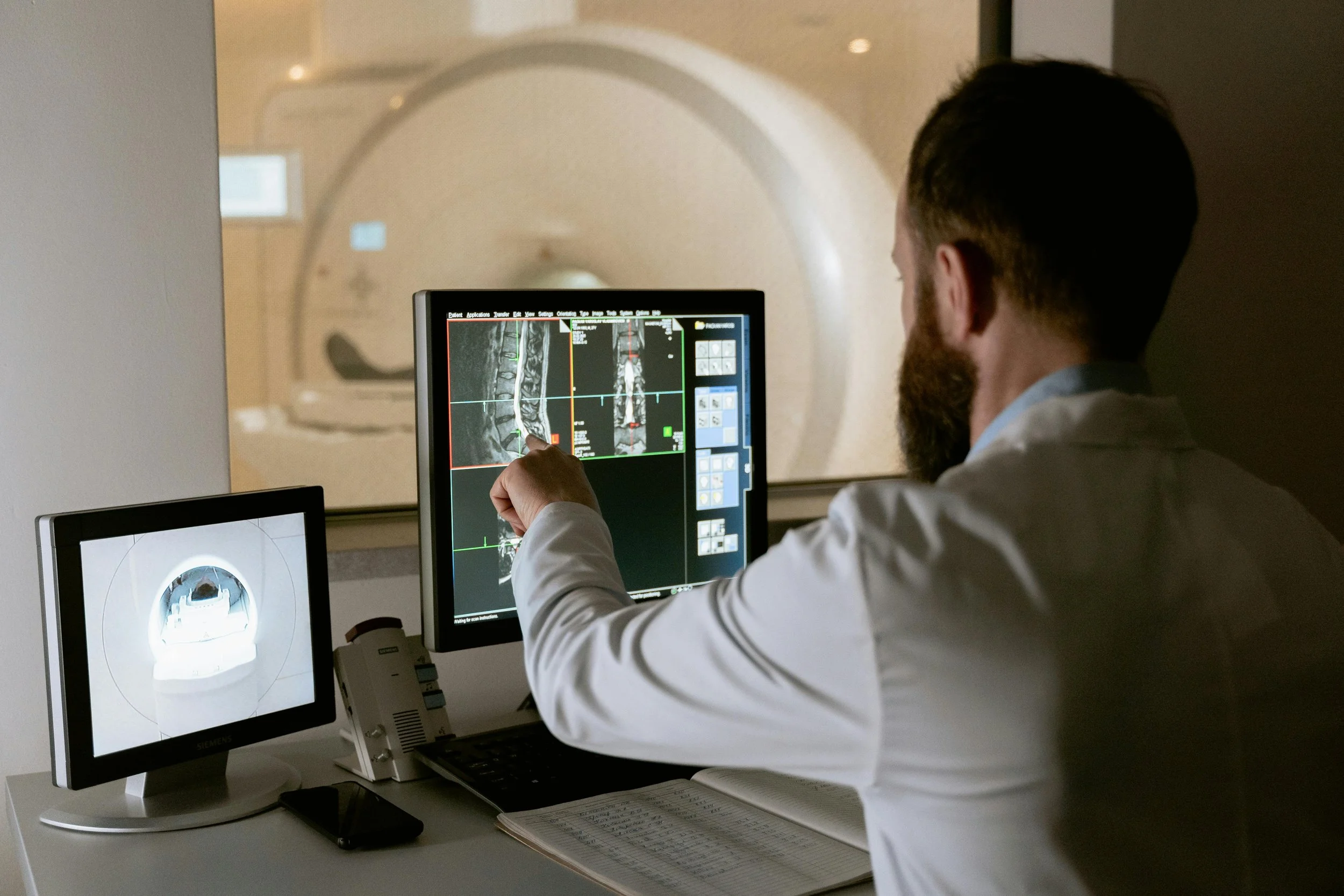
MRI is a cornerstone of proactive health. A full-body MRI offers a deep look into the body’s soft tissues, detecting issues like early-stage tumors or vascular changes without ionizing radiation.
However, for many, the benefits are overshadowed by the discomfort of the machine itself, specifically the need to lie completely still in a narrow space. Claustrophobia is the intense fear of enclosed or crowded spaces, and if the thought of a narrow space makes your heart race, you are not alone. This guide explains exactly what to expect, what tools are available to help.
Can I have an MRI if I have claustrophobia?
Yes, claustrophobia does not prevent you from having an MRI. For many people, the feeling of lying still in an enclosed space can trigger anxiety or panic. But with the right preparation and support, it is entirely possible to get through the scan in a safe and comfortable way.
What happens if I panic during the scan?
One of the most common fears is being trapped. It is important to remember that you remain in complete control throughout the entire scan, and there are several things in place to make sure of that.
Emergency call button: You are given a call button before the scan begins. Press it at any point, and the healthcare team will immediately slide you out of the machine.
Two-Way Audio: You can speak to the healthcare team throughout the procedure. They often check in between sequences (the loud clicking noises) to ensure you are doing well.
Airflow: The MRI bore is open at both ends. Fresh air is circulated throughout, so the environment never feels stuffy or sealed off.
Strategies to stay calm during your MRI
If you are preparing for a full-body MRI and want to manage anxiety beforehand, these approaches can help:
Tell the team in advance
The first step is to let the care team know ahead of your appointment. By sharing your concerns early, whether that is a previous difficult experience or a general discomfort with confined spaces, the team can adapt the examination accordingly. In some cases this means extra information about how the scan works, the option to lie in the machine briefly before the scan begins, or access to specific aids that make the experience more manageable.
Sleep mask
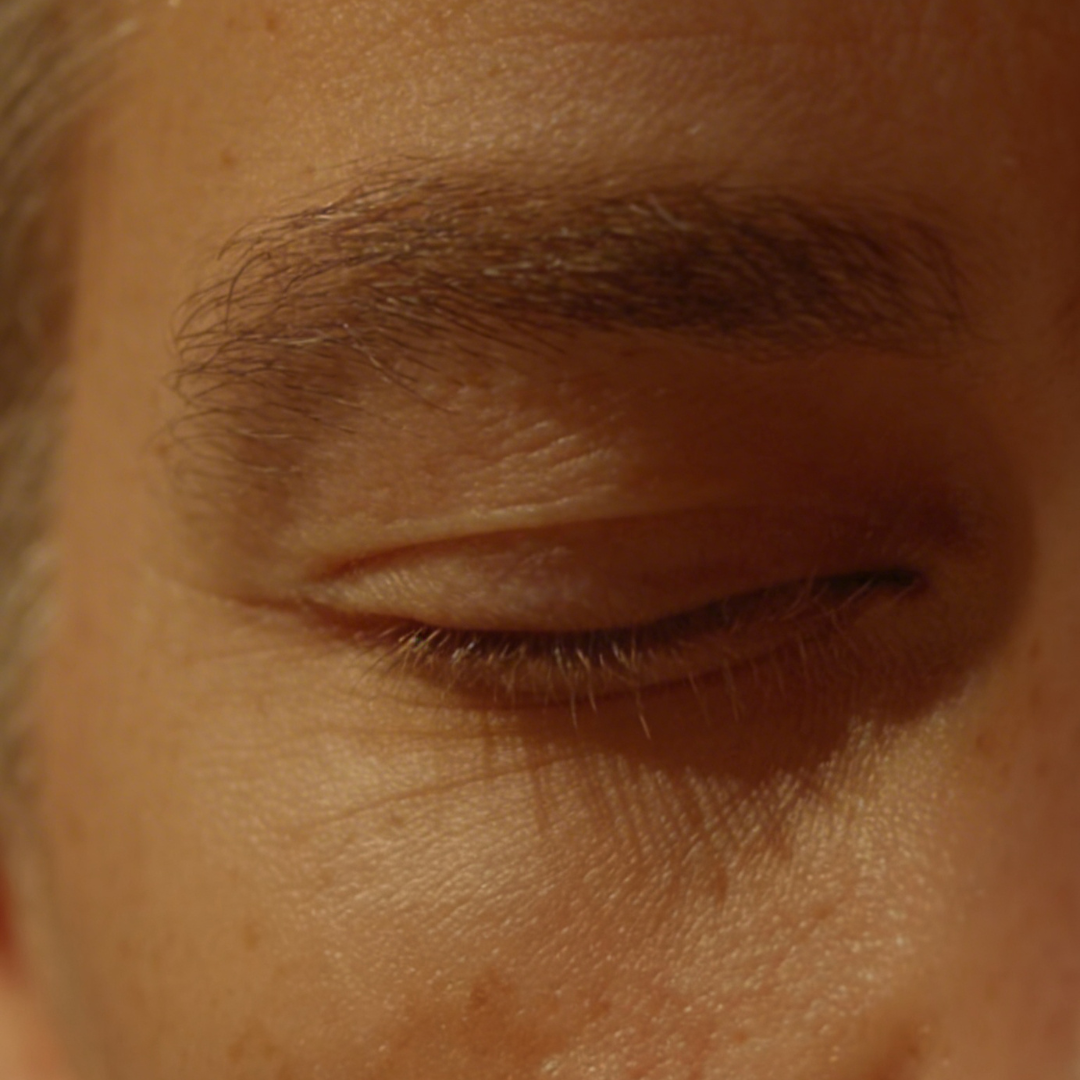
For many people, it is the visual experience of being inside a narrow tube that triggers the most discomfort. A sleep mask can significantly reduce the sense of enclosure.
Use music or headphones
The sounds inside an MRI machine can feel disorienting and add to a sense of stress. Most facilities offer noise-reducing headphones with calming music, audiobooks, or relaxation audio, which is a simple but effective distraction that can shift your focus away from the environment entirely.
Ask about a calming medication
For moderate to severe anxiety, your doctor can prescribe a mild sedative to take shortly before the scan. It keeps you awake and fully cooperative while preventing the acute stress response from taking over. Note that you will need someone to accompany you home afterwards, as driving is not permitted while the medication is active.
Breathing techniques
Box breathing: inhaling for four counts, holding for four, exhaling for four, holding for four activates the body's calming response and can be practiced quietly during the scan. It requires no equipment, no prior experience, and can be started at any moment you feel tension building. The healthcare team will also help guide you through the breathing exercises while you are in the MRI scanner.
Book your full body health check
A full-body MRI takes approximately one hour. If claustrophobia has been a reason to put it off, it doesn't have to be.
Appointments are available within the same week, across several cities in Sweden.
If you have any questions before booking, reach out to us at hello@elf.care
Last updated: 30 July 2026
Reviewed by: Elfcare quality team